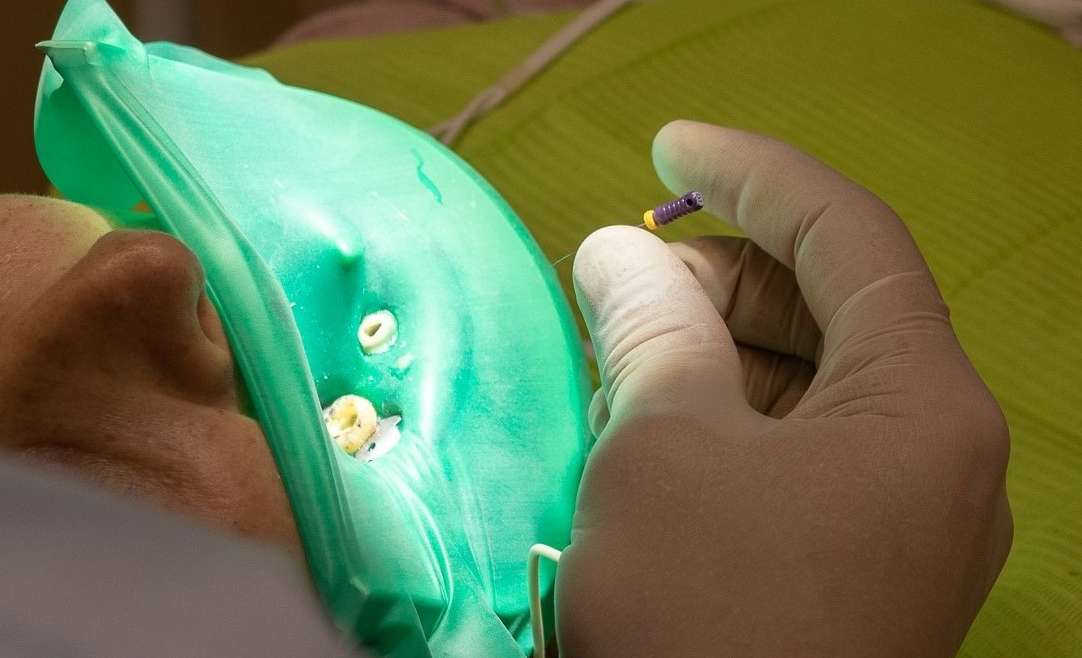
Endodontics deals with the diagnosis and treatment of disorders of the dental pulp (nerve) and of the tissues around the root of the tooth.
The need for endodontic treatment arises with the irreversible disease of the dental pulp, respectively of its inflammation due to the invading microbes.
The causes of these conditions are very deep cavities, dental trauma and irritating interventions on the teeth (eg. grinding). Untreated, the inflammation or necrosis of the pulp may extend to the surrounding tissues, thus leading to apical periodontitis. The granuloma (sack of pus) associated with bone destruction is formed. An endodontic treatment performed to the highest standards can make the difference between keeping the tooth on the dental arch or losing it.
Symptoms may vary:
- pain (spontaneous, pulsatile, deaf) that extends or not to the areas near the maxilla;
- sensitivity when biting or chewing, or at high and low temperatures;
- unexplained pain in a tooth treated in the past;
- discoloration of the tooth;
- the appearance of a swelling of the tooth (gingival fistula);
- swollen lymph nodes around the neck and head.
In some cases, the disease may develop almost asymptomatically being discovered only at advanced stages of evolution, following a routine clinical and radiological consultation.
Typically, an ordinary endodontic treatment consists of a single session of 1-1.5 hours, but there are also complex cases where 2 or even more sessions will be required.
The stages of endodontic treatment are:
- radiography
- performing anaesthesia
- isolation of the tooth and formation of the access cavity in the tooth chamber and at the holes of the root canals. Removal of all stained and infected tissue, old sealing materials, until they reach the hard, healthy tissue
- the pulp (nerve) is removed from the inside of the tooth and from the root canals.
- the channels are measured, widened and disinfected.
- the root canals are closed: each canal where the pulpal tissue (nerve) has been filled is sealed with a biocompatible material. This prevents re-infection.
After such treatment, sometimes there is a slight sensitivity or even pain, in which case the administration of analgesic and anti-inflammatory medication is indicated.
Taking into consideration that the success of an endodontic treatment depends on the long-term quality of the coronary restoration of the tooth, it is absolutely imperative to place an adhesive coronary filling, that is to block the access of saliva and microbes.
Most often, a tooth that has required endodontic treatment, due to the extensive loss of hard tissue, needs a fiberglass pivot reconstruction and even a crown to prevent tooth fracture.