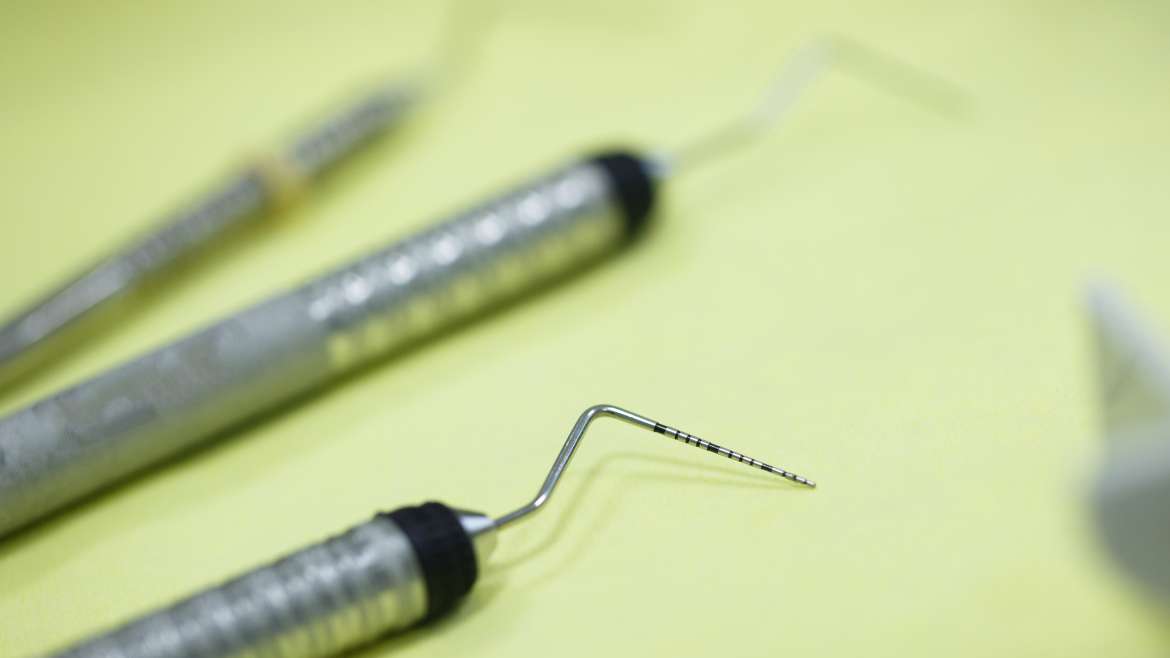
Periodontology treats the disorders of the tissues and bone that surround and support the teeth.
Periodontal disorders are classified according to severity: gingivitis and periodontitis. Gingivitis is an easier, reversible form of periodontal disease. By worsening, the gingivitis leads to periodontitis.
Factors that may increase the risk of developing periodontal disorders:
- poor hygiene (bacterial plaque, tartar);
- smoking;
- diabetes;
- drugs such as steroids, some types of anti-epilepsy pills, anti-cancer medicines, oral contraceptives
Warning signs:
- gums that bleed easily during brushing, red gums, swollen gums;
- gums detached from teeth;
- constant bad breath
- gingival retractions
- dental mobility
Periodontal disease and gum disease are bacterial infections that lead to bone loss and/or tooth loss. The therapy of these diseases involve the removal of the causes of the disease (bacteria and the periodontal pouches they develop in).
The treatment always begins with a professional cleaning followed by a specific treatment of sub-gingival curettage and root planing, which ensure the removal of inflamed and infected tissues from the tooth and from the periodontal pouch, followed by the reattachment of the gum to the tooth. As an adjuvant treatment in periodontal therapy, the periodontal bags are disinfected with the laser diode.
Since periodontal disease cannot be cured, we can only stop its evolution. It is particularly important for the patient to be regularly checked in order to clean the affected regions.
For most patients, adherence to the treatment schedule and maintaining rigorous oral hygiene eliminates the need for surgery.